



 Telephone : 400-123-4567
Blogpost keywords: brass and crystal chandelier, brass crystal chandelier, crystal chandelier lighting
A brass and crystal chandelier sits firmly in the premium segment of decorative ceiling lighting. For professional buyers and distributors, it represents a controlled balance between structural strength and visual refinement—brass provides durability and form, while crystal contributes sparkle and light shaping. This is why the brass and crystal chandelier category remains consistently relevant in hospitality and high-end residential projects where ceiling lighting is expected to create an immediate focal impression.
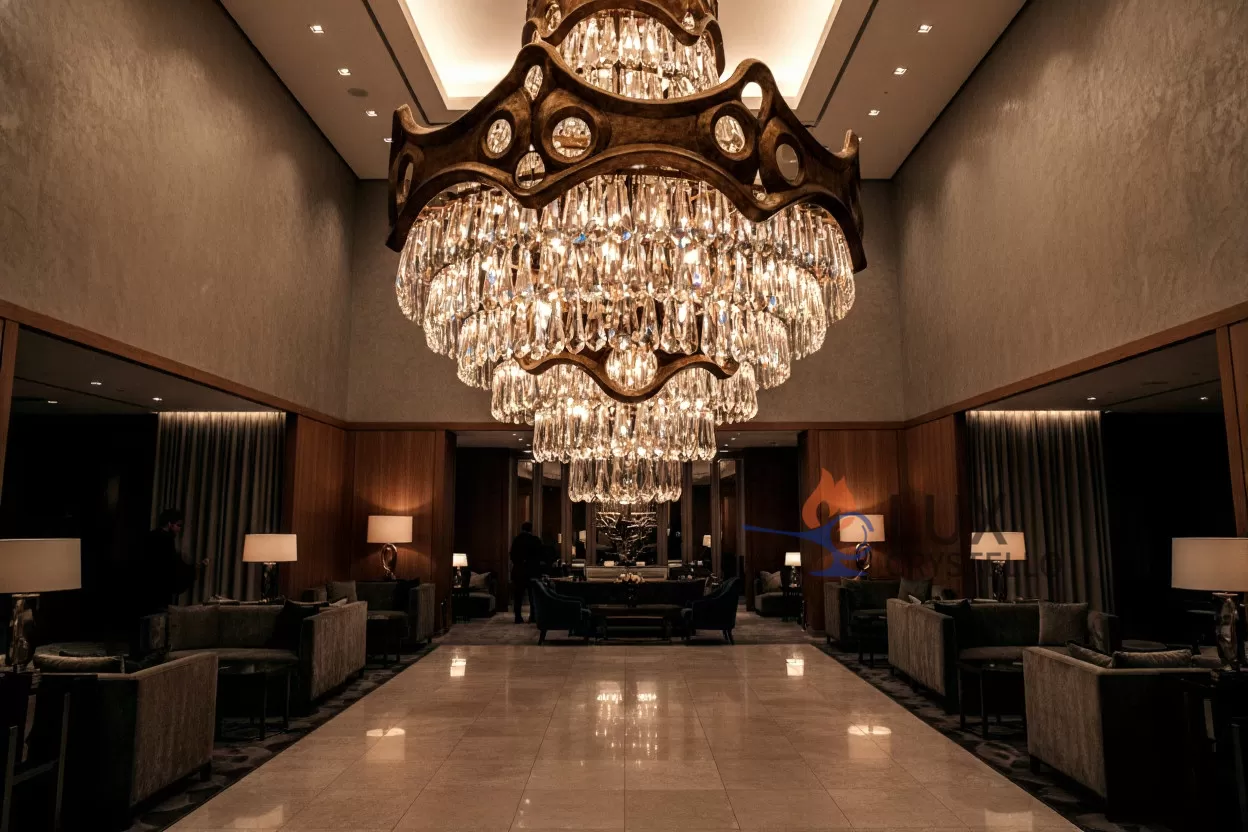
From a sourcing standpoint, a brass and crystal chandelier is rarely a quick decision. It is typically specified around ceiling height, room scale, and the interior’s material palette. Buyers who align these variables early tend to see better sell-through and fewer after-sales issues, especially when the same brass and crystal chandelier model is used across multi-space projects.
Brass and Crystal Chandelier Structure and Positioning in Premium Projects
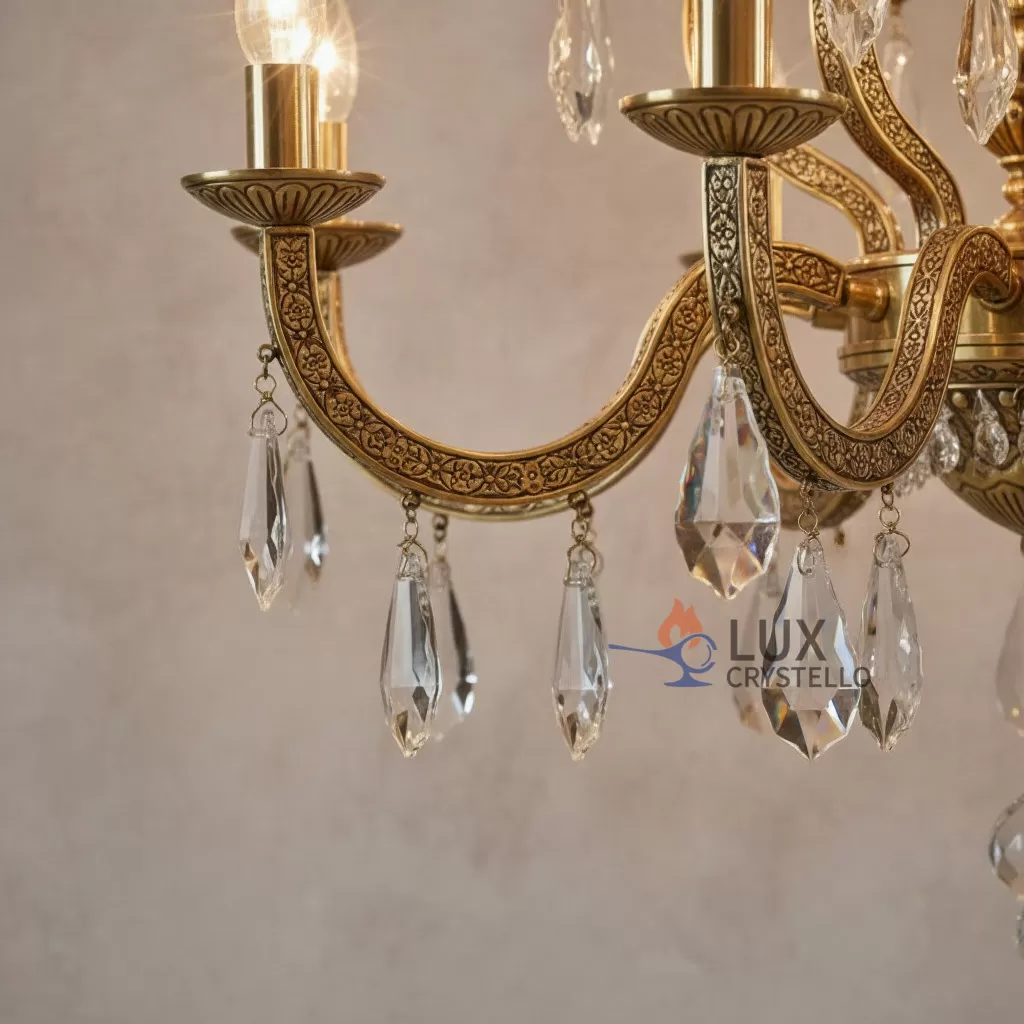
A brass and crystal chandelier usually consists of a brass frame—solid brass or brass-plated metal—supporting crystal drops, prisms, rods, or panels. The brass body defines silhouette and load-bearing structure, while the crystal elements refract and scatter light for depth and perceived brightness.
In commercial positioning, this is luxury lighting rather than a purely functional fixture. For distributors, this means product storytelling matters: buyers expect clarity on brass finish method, crystal type, and assembly logic—beyond dimensions and wattage. The most successful listings often explain how a brass crystal chandelier achieves both visual impact and predictable installation outcomes in crystal chandelier lighting plans.
Why Brass and Crystal Chandelier Specifications Reduce Risk for B2B Orders
For B2B buyers, a brass and crystal chandelier needs to be "spec-first," not "photo-first." The safest way to reduce project risk is to standardize a checklist that works for every brass crystal chandelier inquiry:
Weight and suspension logic: Confirm net weight, hanging method, ceiling mount design, and whether the suspension system is engineered to keep long-term balance under vibration and maintenance handling.
Drop length planning: Ensure adjustable rods/chain options match ceiling height and sightlines. In many hospitality spaces, the same crystal chandelier lighting style must fit multiple ceiling conditions.
Crystal layout density: Dense layouts read more dramatic but are heavier and more fragile; open layouts are lighter and simplify maintenance—important tradeoffs for brass crystal chandelier programs.
Serviceability: Crystal replacement method, spare crystal availability, and wiring access matter because crystal chandelier lighting is often serviced in operational venues.
This "spec-first" approach is also a key differentiator versus generic content that only repeats style descriptions.
Design Advantages of Brass Crystal Chandelier Systems
One advantage of a brass crystal chandelier is material compatibility. Brass provides structural stability and resistance to deformation—valuable when supporting crystal elements over time. Crystal elements, when cut and assembled consistently, amplify perceived brightness through refraction without relying purely on higher lamp wattage.
A second advantage is finish and style flexibility. Brass finishes can range from polished and brushed to antique tones, allowing the same brass and crystal chandelier structure to fit classic, transitional, and contemporary luxury interiors. Meanwhile, crystal chandelier lighting can shift from "dramatic sparkle" to "controlled shimmer" based on crystal shape, spacing, and diffusion.
In practical product line planning, a tight family of brass crystal chandelier SKUs with finish variation often performs better than a broad catalog with inconsistent finishing and mixed crystal grades.
Where Brass and Crystal Chandelier Products Perform Best
In hospitality, a brass and crystal chandelier is commonly specified for hotel lobbies, ballrooms, restaurants, and boutique public spaces. These are environments where lighting supports brand perception—quality, permanence, and finish discipline.
In residential projects, a brass and crystal chandelier is often installed in entry halls, dining rooms, and stairwells with sufficient ceiling height. Developers and designers like these pieces because they anchor a room visually and elevate the perceived material value.
Sourcing Challenges in Brass and Crystal Chandelier Orders
1) Weight and balance are underestimated
A brass and crystal chandelier can be significantly heavier than it appears. Buyers should confirm load-bearing design, hanging hardware, and ceiling mount strength before bulk orders, especially for taller drops or dense crystal layouts.
2) Crystal consistency is not automatic
Variations in clarity, cut precision, or assembly alignment affect visual uniformity and the perceived quality of crystal chandelier lighting. Many experienced buyers request pre-shipment checks for representative cartons and focus on the "visible zone" consistency (the crystals most likely to be in the direct line of sight).
3) Packaging is a quality decision, not a logistics detail
Crystal damage is one of the most common after-sales drivers in chandelier programs. Practical shipping guidance emphasizes internal immobilization and impact protection, such as robust internal bracing and foam protection to prevent movement during transit.
4) Shipping International
DHL also highlights that inadequate packaging practices are a common cause of international shipping damage, reinforcing the need for professional packing discipline in fragile goods. If wood crates or pallets are used, many markets require attention to ISPM 15 rules for wood packaging compliance, which can affect customs clearance and fees.
These points strengthen differentiation because most competing articles stop at "check crystal quality" and never translate it into operational risk controls.
Conclusion: Selecting Brass and Crystal Chandelier Products for Long-Term Programs
Choosing a brass and crystal chandelier is less about chasing trends and more about understanding proportion, materials, and installation context. Buyers who evaluate structure, finish repeatability, and packaging reliability typically achieve better long-term results—especially in hospitality and contract channels where consistency is more valuable than frequent design turnover.
A well-made brass crystal chandelier can remain relevant across multiple projects and seasons, making it a strong core product in crystal chandelier lighting assortments rather than a one-off statement piece.
Project Planning Notes for Buyers
If you are building a collection around brass and crystal chandelier models, confirming ceiling height assumptions, weight/suspension requirements, and crystal consistency standards upfront is often the fastest way to reduce sampling loops and prevent avoidable after-sales issues in crystal chandelier lighting projects.
400-123-4567
138-0000-0000