



 Telephone : 400-123-4567
Brass lighting vs bronze lighting is a common comparison in interior projects where material choice affects both visual character and long term performance. Although brass and bronze are often grouped together, their composition, processing behavior, and finishing response lead to different outcomes once applied to lighting fixtures.
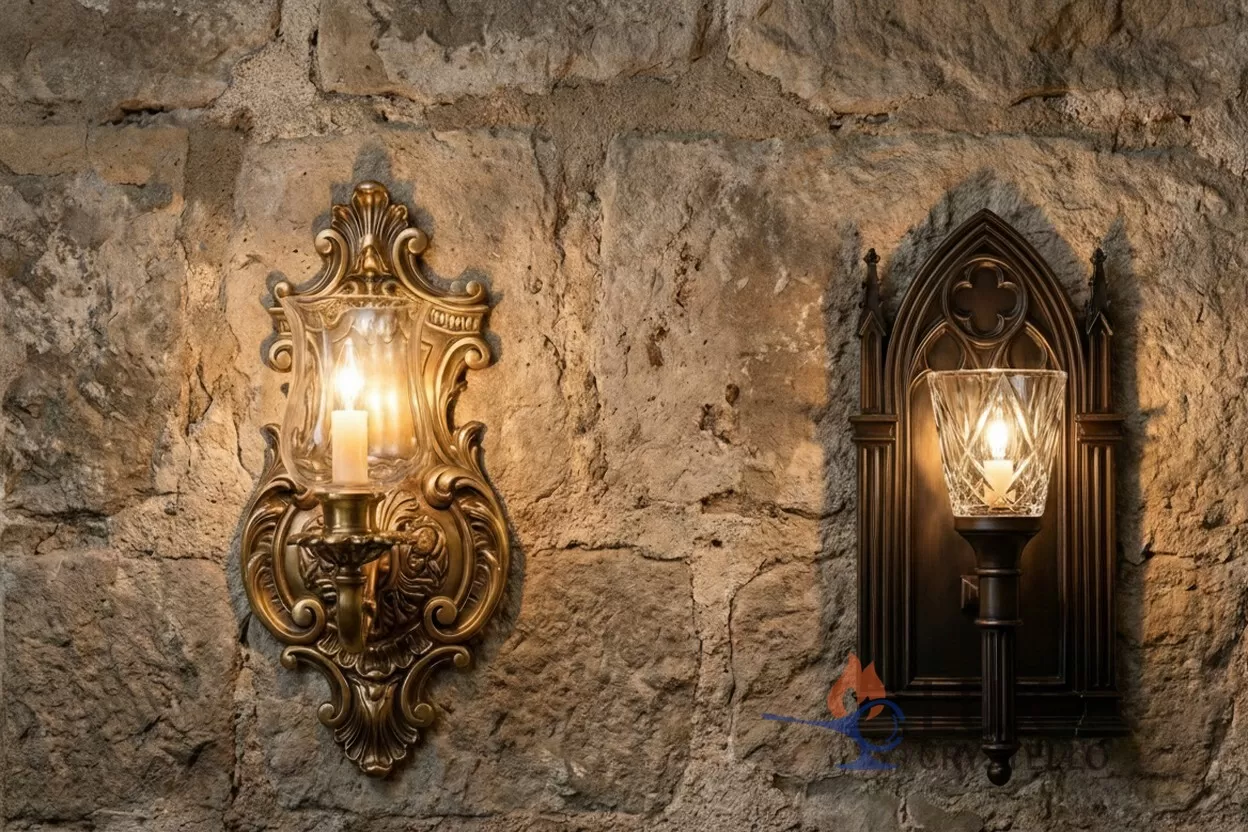
Understanding these differences helps designers, specifiers, and buyers make clearer decisions based on function rather than assumption.
Material selection for lighting begins with understanding how each metal behaves during fabrication. Brass is typically valued for its workability. It can be cut, bent, machined, and polished with relatively high consistency, which makes it suitable for fixtures requiring precise proportions and repeatable results.
Bronze, by contrast, is commonly associated with casting. It offers excellent structural strength and is well suited for sculptural or heavier forms. However, bronze can be less forgiving during secondary processing. This affects how fine details are refined and how consistent parts remain across larger quantities.
In brass lighting vs bronze lighting comparisons, brass is often preferred for fixtures that require tighter dimensional control, while bronze may be chosen when mass, texture, or historical reference is prioritized.
From an assembly perspective, brass components tend to allow cleaner joints and easier alignment. This supports designs where symmetry and balance are visually critical. Bronze components, especially cast parts, may introduce minor variations that need additional adjustment during fitting.
Material selection for lighting therefore influences not only appearance but also production efficiency. Projects with multiple matching fixtures often favor brass because it supports predictable tolerances and easier quality control.
Metal finishing differences play a decisive role in how brass and bronze are perceived once installed. Brass responds well to a wide range of finishes, from brushed and satin to antique and patinated surfaces. These finishes can be controlled with relatively fine adjustments, making brass suitable for interiors that require consistent tone across multiple units.
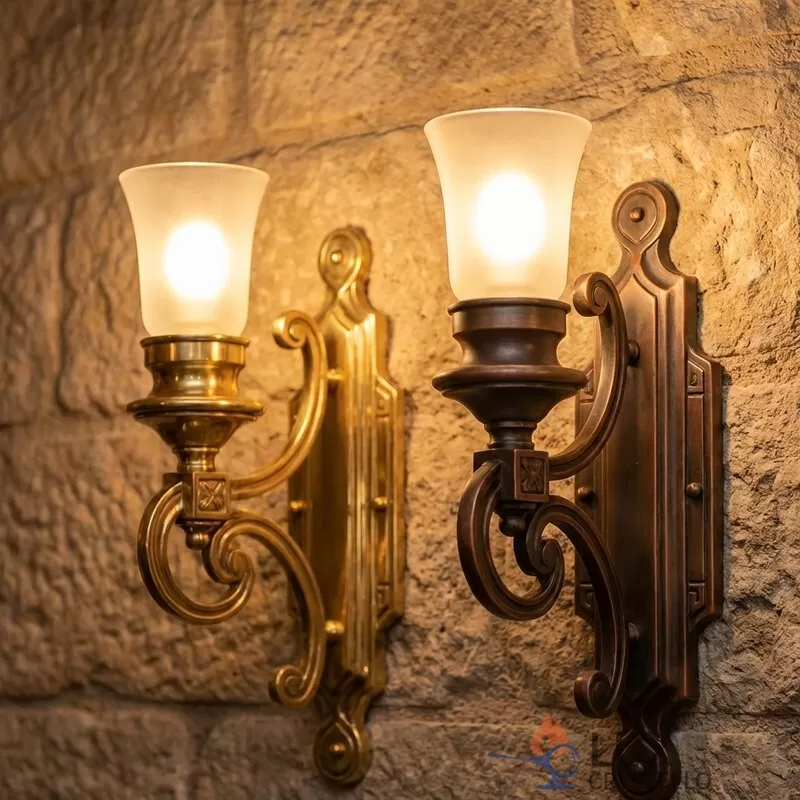
Bronze finishing tends to emphasize texture and depth. Patination on bronze can produce rich, uneven coloration that feels organic and expressive. While this effect can be visually compelling, it may also introduce variation that is difficult to standardize.
In brass lighting vs bronze lighting applications, brass is often chosen when finish consistency matters, while bronze may be selected when variation is acceptable or even desirable.
Another practical difference lies in aging. Brass generally develops a gradual, even patina depending on finish treatment and environment. With proper surface preparation, it can maintain a stable appearance for years.
Bronze may darken or change tone more visibly over time, especially in high humidity or outdoor-adjacent environments. This characteristic can enhance authenticity in certain interiors but requires clear expectation setting during material selection for lighting.
The most effective approach to brass lighting vs bronze lighting is context driven. Brass suits projects that prioritize refined geometry, repeatable production, and controlled finishes. Bronze fits projects that value weight, sculptural presence, and expressive surface character.
Metal finishing differences should be evaluated alongside installation environment, maintenance expectations, and visual intent rather than treated as purely aesthetic choices.
Brass lighting vs bronze lighting is not a question of superiority but of suitability. Through informed material selection for lighting and a clear understanding of metal finishing differences, projects can achieve better alignment between design intent, production reality, and long term performance.
When selecting between brass and bronze, focusing on fabrication behavior, finishing control, and aging characteristics can help ensure the chosen material supports both the visual goals and practical demands of the project.
Excellent brass lighting vs bronze lighting combines superior craftsmanship, attention to detail, and functional design to create an exceptional experience.
To enhance your metal finishing differences, focus on quality materials, proper maintenance, and complementary accessories that match your style.
Key considerations include material quality, design aesthetics, functional performance, and overall durability when evaluating material selection for lighting.
If you are interested in French lamps or bronze art or have related needs,
please feel free to contact us. click here
400-123-4567
138-0000-0000