



 Telephone : 400-123-4567
Blogpost keywords: brass pendant lantern, custom brass lantern pendant, brass lantern ceiling light
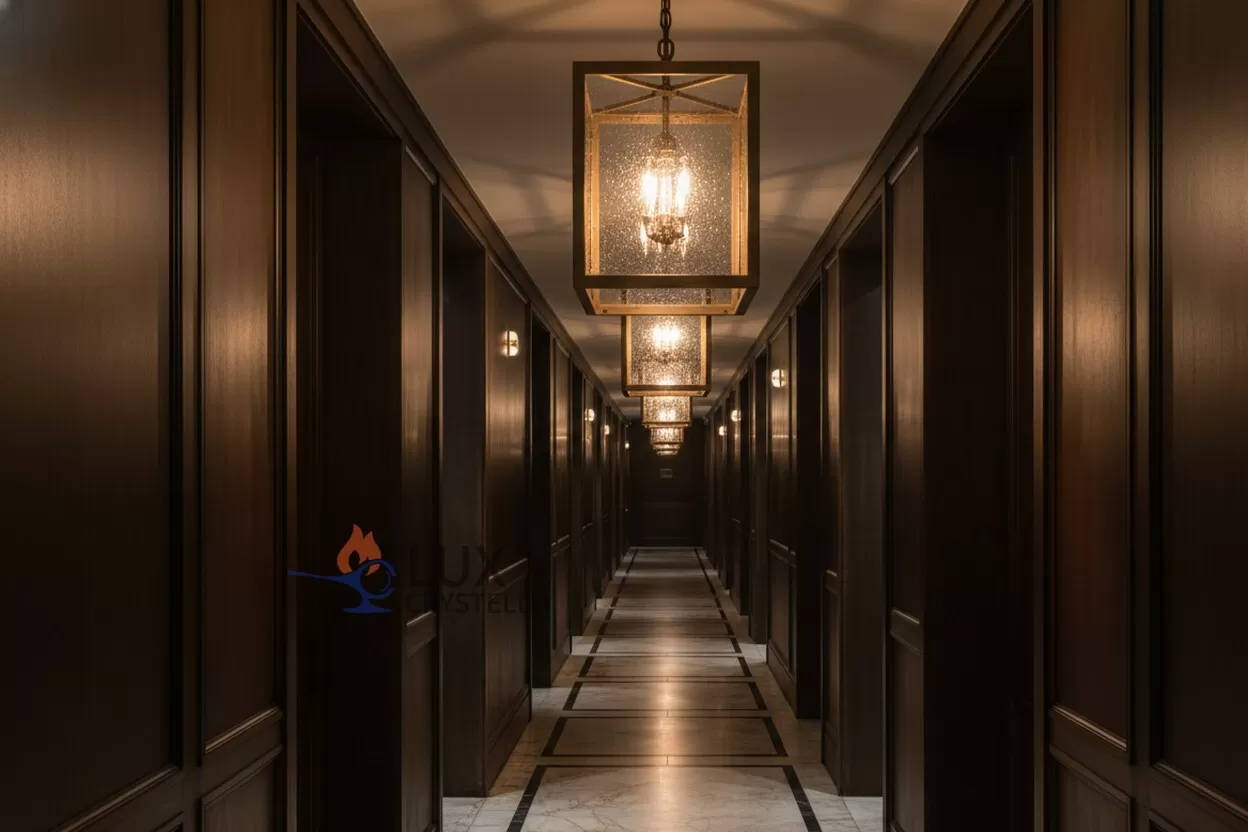
A brass pendant lantern is popular because it adds structure without feeling heavy. It frames an entryway, makes a stairwell look intentional, and gives restaurants that "designed" ceiling moment. In many commercial programs, this product is purchased and installed repeatedly, so small differences become obvious fast—especially when the lantern is used as a brass lantern ceiling light across corridors, dining zones, or multi-unit projects.
But lantern pendants are picky products: if the frame is slightly out of square, the eye catches it; if the panels move, customers hear it; if the finish scuffs, it looks old on day one. For professional buyers, the real win is sourcing lanterns that hang straight, stay stable through shipping, and match across repeat orders—whether you're purchasing available models or placing a custom brass lantern pendant run.
Why Brass Pendant Lantern Programs Get Complaints Even When Photos Look Perfect
Most quality issues aren't dramatic failures—they're small annoyances that add up. A lantern that arrives with a minor twist will still mount, but it won't look aligned. A panel that's slightly loose won't fall out, but it may click when doors close nearby or when airflow moves through a hallway. A glossy brass surface might be flawless at the factory, then pick up micro-scratches during packing and unboxing.
When reviewing a brass pendant lantern, check it the way an installer and a customer would:
1. Hold the frame at two corners and confirm squareness
2. View the lantern diagonally (twist shows up faster than head-on)
3. Gently tap panels to detect rattling
4. Inspect corner edges for early finish wear
This is especially important in hospitality or corridor installations where many units repeat and a brass lantern ceiling light becomes a "pattern product"—small differences multiply visually.
Panels and Glass: Build for Stability, Not Just Looks
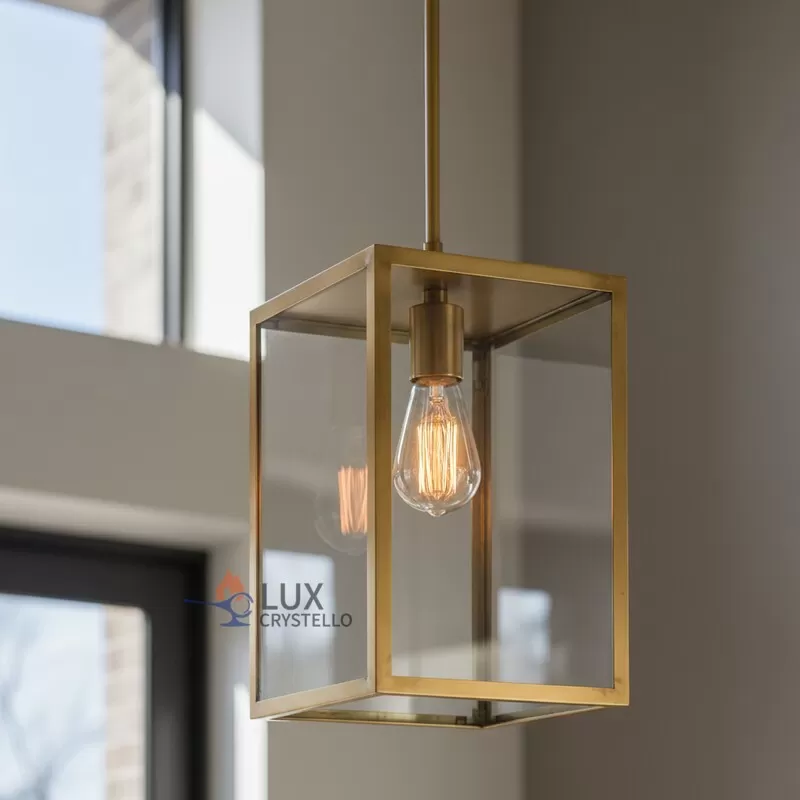
Lantern designs often use clear, seeded, or frosted glass. Clear glass looks sharp and modern, but shows dust and fingerprints quickly. Seeded glass hides smudges and adds texture, while frosted glass softens bulb visibility and reduces glare. The bigger B2B question is how the glass is seated. If panel edges aren't supported consistently, they can rattle after transport or during long-term use—especially when a brass lantern ceiling light is installed in high-traffic areas.
Ask suppliers how panels are fixed and protected, and whether the fixture can be opened for bulb replacement without stressing glass edges. If you're developing a custom brass lantern pendant, simplifying the panel structure and using a stable seating method typically lowers claims—particularly for export shipments with longer transit time.
Practical details worth confirming:
Panel seating method (groove, bracket, gasket) and tolerance approach
Door/latch feel (secure closure without visible messy adhesive)
Serviceability for bulb changes without flexing glass corners
Packing and Reorders: The Two Levers That Decide Profitability
Lantern frames have corners, and corners take hits. If corner protection is weak, the fixture can arrive with tiny dents or rubbed finish at the edges. For a brass pendant lantern program, packaging isn't optional—it's part of quality.
Request:
Organized internal supports that prevent twist during transit
Separate protection for glass components
Surface-safe wrapping for brass parts so the product comes out "photo ready"
Reorders are the other profitability lever. A lantern that sells well needs to come back looking the same. That means controlling brass tone and sheen and keeping panel type consistent (clear vs seeded vs frosted). If you're sourcing for mixed channels—retail plus projects—confirm the supplier can hold the visual baseline for a brass lantern ceiling light across repeat shipments.
If you're planning a custom brass lantern pendant, lock these items early to reduce drift:
-Tone target + sheen level + topcoat decision
-Panel spec (glass type, thickness range, edge finishing)
-Assembly checkpoints (frame squareness, door alignment, latch tension)
Conclusion
A brass pendant lantern is at its best when it behaves like a well-made architectural object: square lines, stable panels, and a finish that survives the journey from carton to ceiling. Buyers who prioritize straightness, stability, and reorder consistency tend to see fewer returns and smoother long-term sales—particularly when the lantern is used as a repeating brass lantern ceiling light in corridors or dining zones.
Share a Drawing or Reference, and We'll Align the Details
If you're sourcing a brass pendant lantern, send your target dimensions and estimated quantity. For a custom brass lantern pendant program, a 2D drawing or 3D file helps confirm proportions and production feasibility. If you don't have files yet, a reference photo plus a few key requirements is enough for us to recommend suitable options—especially if you're aligning a multi-site brass lantern ceiling light rollout.
400-123-4567
138-0000-0000