



 Telephone : 400-123-4567
Blogpost keywords: french provincial lampshade care, french lampshade factory, custom provincial lampshade care
French provincial lampshade care focuses on preserving the warm tones, soft textures, and handcrafted character that define this style. Linen-like fabrics, gentle neutrals, and subtle trims create a relaxed elegance, but they also require more thoughtful handling than laminated or synthetic shades.

For B2B buyers, clear guidance on french provincial lampshade care helps improve customer satisfaction, reduce preventable returns, and keep inventory display-ready during longer storage cycles. This guide is written in supplier-level language that can be reused across product pages, care cards, and after-sale support materials.
What Makes French Provincial Lampshade Care Different
French provincial lampshades are commonly made from linen, cotton blends, or slub-textured cloth. These breathable materials create a soft glow and authentic texture, but they are more sensitive to dust accumulation, uneven UV exposure, and moisture marks. Provincial-style details—such as pleats, piping, fabric tape, or light ruffles—also demand gentler handling, as even minor distortion can alter the silhouette.
Because of these material traits, french provincial lampshade care is best approached as preventive maintenance. Light, regular cleaning and careful handling reduce the need for aggressive cleaning later. When working with a french lampshade factory, it is advisable to request material-specific care notes, so your instructions accurately reflect the fabrics and linings used in production.
Daily Care Essentials: Dusting, Handling, and Light Exposure
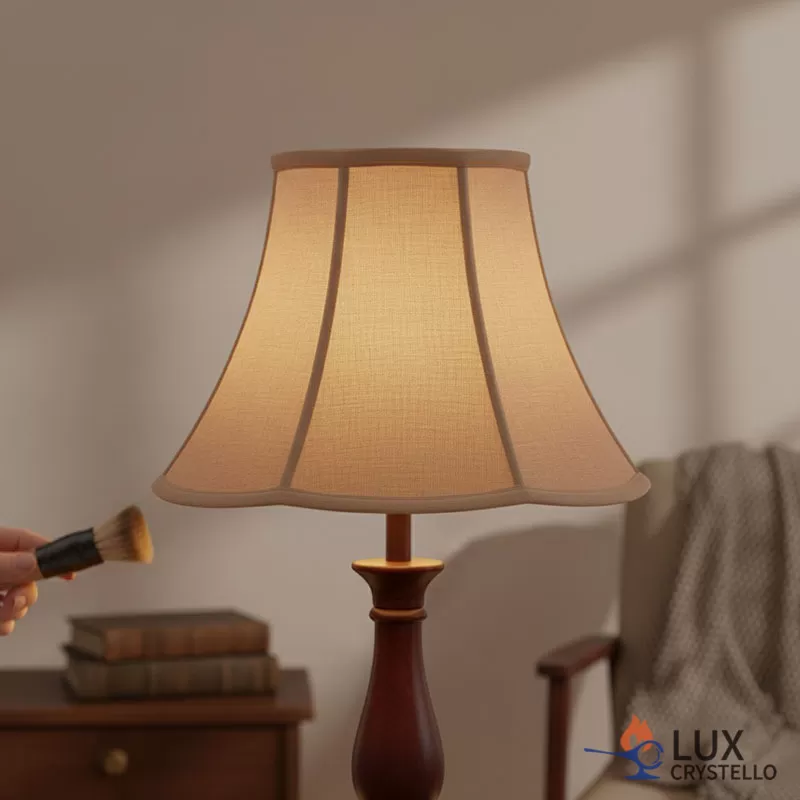
Routine dusting is the most effective way to keep a provincial shade looking consistent. Use a soft brush, microfiber cloth, or a low-suction handheld vacuum with a brush attachment. Avoid aggressive sweeping motions that pull fibers or flatten textured weaves. For pleats and trims, use shorter, controlled strokes that lift dust rather than push it into seams.
Handling habits matter as much as cleaning. Many end users adjust lamps by holding the shade, which can gradually loosen trim edges or stress the frame. A simple instruction—move the lamp by its base, not by the shade—prevents many common shape-related complaints. Some B2B teams ask their french lampshade factory to include this note as a one-line insert, as it significantly reduces avoidable returns.
Sunlight exposure should also be managed. Natural fabrics can fade unevenly when placed directly beside windows. Recommend indirect placement, periodic rotation in fixed locations, or the use of curtains during peak sun hours to preserve color balance.
Spot Cleaning Methods That Protect Texture and Shape
Before any spot cleaning, dust the entire surface. Treating a localized stain on a dusty shade often results in visible tide marks. For light stains, use a clean white cloth slightly dampened with water and a diluted, fabric-safe detergent, then blot gently. Avoid rubbing, which can roughen fibers and create lighter patches that become more noticeable when illuminated.
Avoid soaking or heavy moisture. Excess water may warp fabric, distort pleats, or affect the underlying frame. For pleated or highly textured designs, compressed air can help remove dust from folds without introducing moisture.
If you sell products that require custom provincial lampshade care, ask suppliers for written cleaning recommendations when special dyes, trims, or coatings are involved. A dependable french lampshade factory should be able to provide guidance matched to the exact fabric and lining combination.
Storage, Packaging, and Transport Protection for B2B Programs
From a wholesale perspective, storage is part of effective french provincial lampshade care. Keep shades in a dry, temperature-stable environment and away from direct warehouse lighting when possible. Avoid stacking shades without internal support; use tissue, foam rings, or cardboard separators to protect rims and preserve shape.
Humidity control is especially important for natural fabrics. Breathable dust covers are preferable to sealed plastic in humid climates, where trapped moisture can cause odor or mildew. For export shipping, reinforced cartons, internal supports, and separators reduce deformation during transit.
For programs that involve custom provincial lampshade care requirements, request packing standards and pack-out photos in advance. A reliable french lampshade factory can usually share reference packing methods that minimize crushed pleats and dented rims.
FAQ About French Provincial Lampshade Care
Q1: Can standard care instructions be reused across different fabric types?
Not always. Linen, cotton blends, and slub fabrics respond differently to moisture and handling. For accurate custom provincial lampshade care, B2B buyers should match instructions to the exact fabric and lining specified by the supplier.
Q2: What handling guidance reduces shape-related returns?
The most effective instruction is simple: move the lamp by the base, not by the shade. This single guideline prevents frame stress, loosened trims, and gradual distortion—common causes of "out of shape" return claims.
Q3: How should lampshades be stored during long inventory cycles?
Store shades upright in a dry, temperature-stable environment. Use internal supports or separators to protect rims, and avoid sealing natural fabrics in plastic in humid conditions. Storage practices are a core part of long-term french provincial lampshade care.
Q4: Should retailers include bulb and heat guidance in care notes?
Yes. Heat exposure directly affects fabric longevity. Recommending appropriate bulb wattage and ensuring adequate ventilation helps prevent discoloration and adhesive fatigue over time.
Q5: What should buyers request from a supplier to standardize care guidance?
Ask the french lampshade factory for fabric-specific care notes and approved cleaning methods. Written guidance aligned with production materials helps ensure consistency across product pages, care cards, and after-sale support.
Conclusion
Consistent french provincial lampshade care preserves the warm tones, soft textures, and handcrafted appearance that make this style appealing. When B2B buyers provide realistic maintenance guidance and align it with supplier specifications, they reduce avoidable damage, improve customer experience, and stabilize sell-through across seasons.
Planning a Care-Ready Provincial Collection?
If you are evaluating suppliers or refining your assortment, define french provincial lampshade care standards early. Share your target size, fabric, lining, and packaging expectations—your french lampshade factory can support reorder-stable solutions, including programs that require custom provincial lampshade care.
400-123-4567
138-0000-0000