



 Telephone : 400-123-4567
French style lampshades sell because they feel elevated without being loud. Soft silhouettes, linen-like textures, and muted tones make them a safe fit for bedrooms, living areas, and boutique hospitality rooms. For B2B buyers, the bigger question isn't whether the style works—it's whether the shades will hold shape, diffuse light evenly, and stay consistent across repeat orders. That consistency depends on materials, frame construction, and the controls your french lampshade manufacturer uses during production.
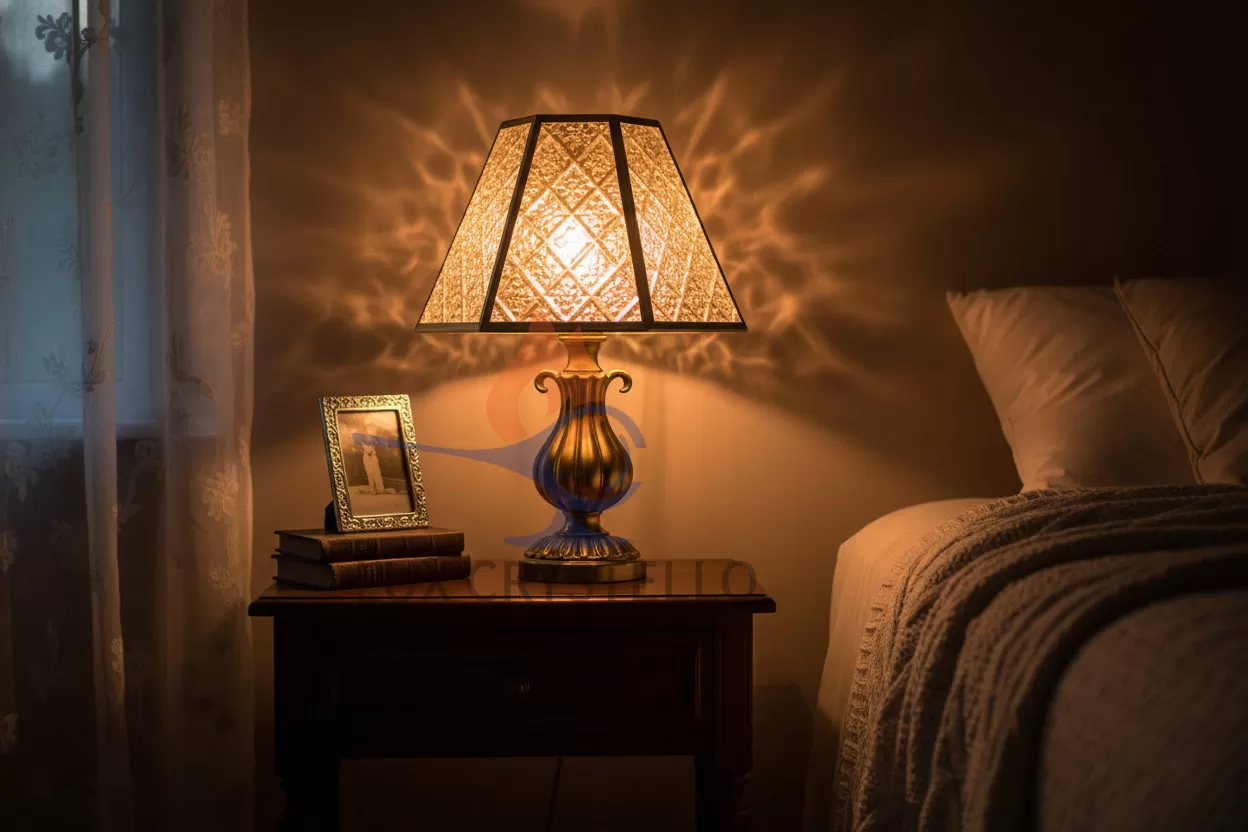
In commercial assortments, "French style" typically falls into three lanes: French country (warm and relaxed), French provincial (more tailored and classic), and modern French (clean lines with subtle texture). All three rely on restraint, which is why defects show quickly. A slightly oval rim, drifting seam, or uneven trim may look minor on a shelf, but becomes obvious once lit—and customers notice it even more in pairs.
High-quality French style lampshades look "quietly correct" from every angle. During sampling, check:
l Shape retention: sits level and keeps symmetry, especially after light handling
l Seam discipline: no puckering, ripples, or tension lines along the wrap
l Even diffusion: minimal hotspots and reduced frame shadowing when switched on
l Lining quality: smooth interior finish that supports glow and structure
Ask your french lampshade manufacturer to show multiple units from the same run, not one hero sample. Production stability is what protects retail reviews and hospitality consistency.
Linen and linen-look weaves give an organic glow, while cotton blends often diffuse more evenly and can be easier to keep consistent across batches. Subtle jacquards add a premium feel but require careful cutting control. Pleated fabrics deliver classic charm, but fold spacing must be uniform or the shade reads "off" immediately.
Lining is a performance feature, not an afterthought. It helps reduce glare, hides frame shadows, and supports long-term shape retention. If you're developing custom french lampshades, lock fabric + lining early, because material switches later can change color tone and the way light reads. A reliable french lampshade manufacturer should document specs by SKU so reorders match.
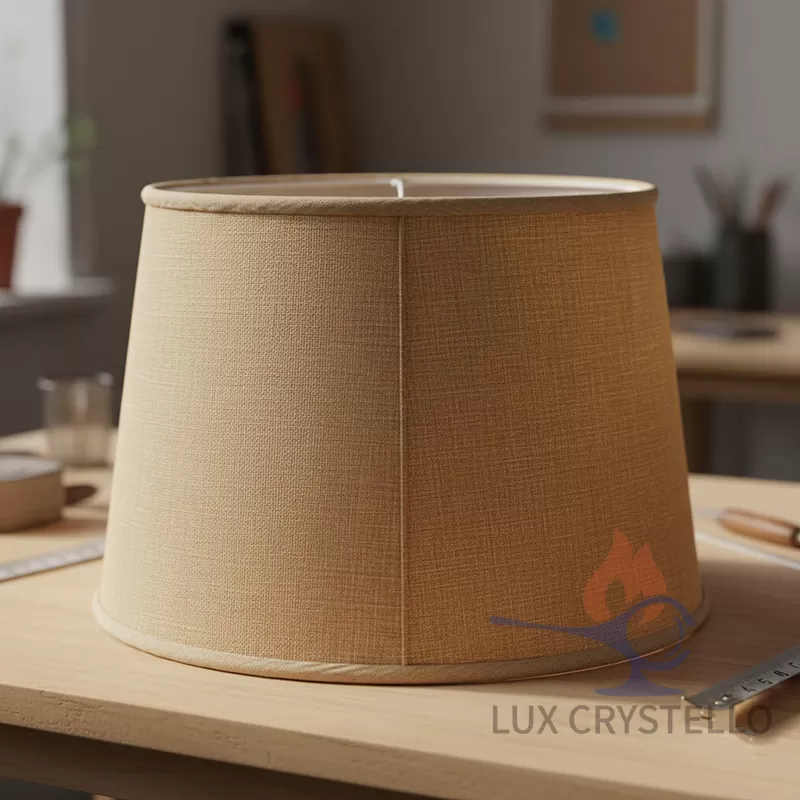
Drum shades demand true cylinder accuracy; empire shades depend on balanced taper; bell/flared shapes highlight edge finishing; pleated styles require consistent fold rhythm. Frame quality is central. Welded, coated frames generally resist bending better in storage and shipping, which reduces "arrived warped" complaints.
Q1: How can I quickly judge quality on a sample?
Turn it on. Look for even diffusion, minimal hotspots, a clean seam line, and a shade that sits level.
Q2: When do custom french lampshades make sense versus stock?
Choose custom french lampshades when you need brand-specific fabric, trims, sizing, or fitters. Choose stock when speed and simple replenishment matter most.
Q3: What should I ask a french lampshade manufacturer about reorders?
Confirm fabric-lot control, lining/trim documentation, and what reference standard they match (approved sample or swatch set).
Q4: How can I reduce shipping damage?
Specify rim support, separators, and reinforced cartons. Packaging is often the difference between retail-ready and return-ready.
French style lampshades stay relevant because they pair timeless design with comfortable light. For B2B, the win is repeatability: stable frames, consistent materials, and clear QC checkpoints—especially for custom french lampshades programs.
If you're planning a new assortment, share your target silhouette, fabric direction, and packaging needs—Lux Crystello can help you work with a dependable french lampshade manufacturer and build a reorder-safe program.
400-123-4567
138-0000-0000