



 Telephone : 400-123-4567
Lighting high end today is no longer defined by visual impact alone. In competitive interiors and contract markets, it represents a balance between refined design, controlled materials, and dependable performance in real-world use. For professional buyers and distributors, lighting high end must deliver consistency across projects—not just beauty in a showroom.
Whether specified for boutique hotels, upscale residential developments, or curated retail environments, high-end lighting quietly shapes how a space is perceived and experienced. As global demand for luxury interiors continues to grow, buyers are becoming more selective. Beyond appearance, they evaluate finishing standards, production stability, material integrity, and sourcing transparency. Understanding what truly defines lighting high end allows procurement teams to make decisions that are both design-led and commercially sound.
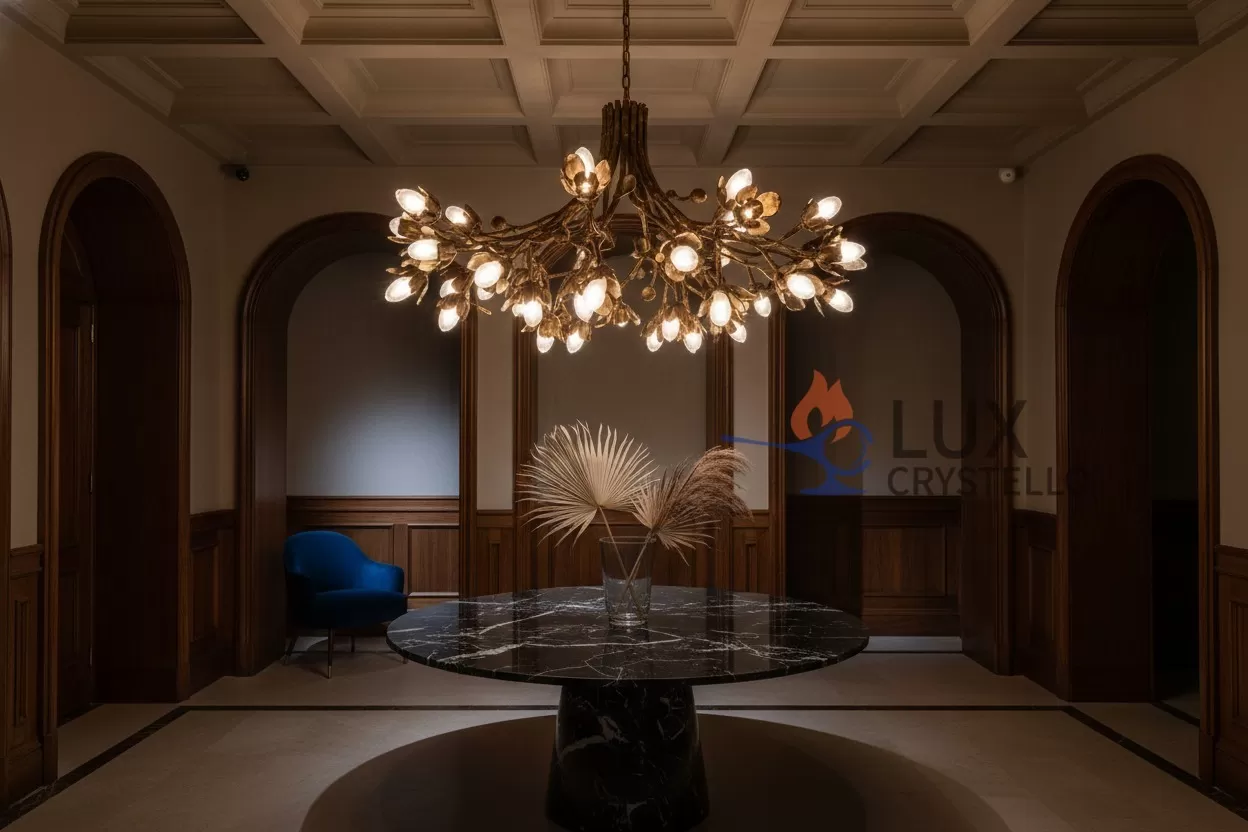
In practical B2B terms, lighting high end refers to products positioned at the premium tier of the market, where elevated design is matched by reliable construction and repeatable quality. These fixtures are developed for environments where lighting is integral to the architectural or interior concept—not an afterthought.
From a professional buyer's perspective, high end lighting fixtures are expected to maintain finish consistency across batches, perform reliably over time, and age gracefully rather than deteriorate. This is why experienced buyers look beyond surface aesthetics and assess how products are fabricated, assembled, and packaged for international distribution. In many cases, true high-end lighting is defined less by excess and more by restraint, proportion, and disciplined execution.
One of the clearest indicators of lighting high end quality is material selection. Solid brass, hand-finished metals, high-clarity glass, crystal elements, and premium fabrics are commonly used to achieve both durability and visual depth. These materials are selected not only for appearance, but for how they perform under heat, humidity, and long-term operation.
Craftsmanship is equally critical. Clean joints, balanced proportions, smooth surface treatments, and uniform color tones reflect controlled production processes. In high end lighting fixtures, small details—such as socket alignment, wiring routing, canopy fit, and shade tolerances—directly influence perceived quality. For distributors and project buyers, attention to these details often results in fewer returns, smoother installations, and stronger end-client satisfaction.
Lighting high end is especially effective in projects where atmosphere, brand identity, and spatial experience matter. Upscale residences use premium lighting to create warmth and intimacy, while hospitality environments rely on decorative lighting to shape memorable guest experiences. In retail and showroom settings, high-end lighting highlights products without visually overpowering the space.
From a sourcing standpoint, many buyers value that high end lighting fixtures can be specified across multiple project types. With consistent materials and finish control, the same design language can be applied to hotel rooms, corridors, lounges, and private villas. This adaptability makes lighting high end an attractive option for project-based procurement and long-term repeat ordering.
A frequent misconception is that lighting high end is defined purely by price. In practice, cost alone does not guarantee quality. Experienced buyers distinguish between genuine design-driven value and inflated branding, focusing instead on construction standards, finish durability, and supplier reliability.
Another misunderstanding is assuming that luxury lighting manufacturers cannot support scale. While some collections are limited by design, many established luxury lighting manufacturers are capable of managing both small-batch customization and larger production runs. The deciding factors are clear specifications, realistic lead times, and aligned quality expectations established early in the sourcing process.
Q1: What materials are most commonly used in lighting high end products?
High-end lighting typically relies on solid metals such as brass, premium glass or crystal, and carefully selected fabrics. These materials are chosen for finish stability, durability, and refined visual character.
Q2: How do buyers verify consistency in high end lighting fixtures?
Buyers review approved samples, check finishing uniformity across components, assess assembly precision, and evaluate packaging protection. Consistent production processes matter as much as design.
Q3: Are high end lighting fixtures suitable for large-scale or contract projects?
Yes. Many lighting high end collections are adapted for hospitality and commercial use, provided specifications, compliance requirements, and installation conditions are clearly defined.
Q4: What customization is realistic when working with luxury lighting manufacturers?
Common options include finish variations, size adjustments, socket standards, and packaging customization. Many luxury lighting manufacturers also support OEM branding for B2B clients.
Q5: What should buyers consider regarding MOQ, lead time, and packaging?
MOQs and lead times vary by complexity. Protective export packaging is essential to ensure high end lighting fixtures arrive in perfect condition during international shipping.
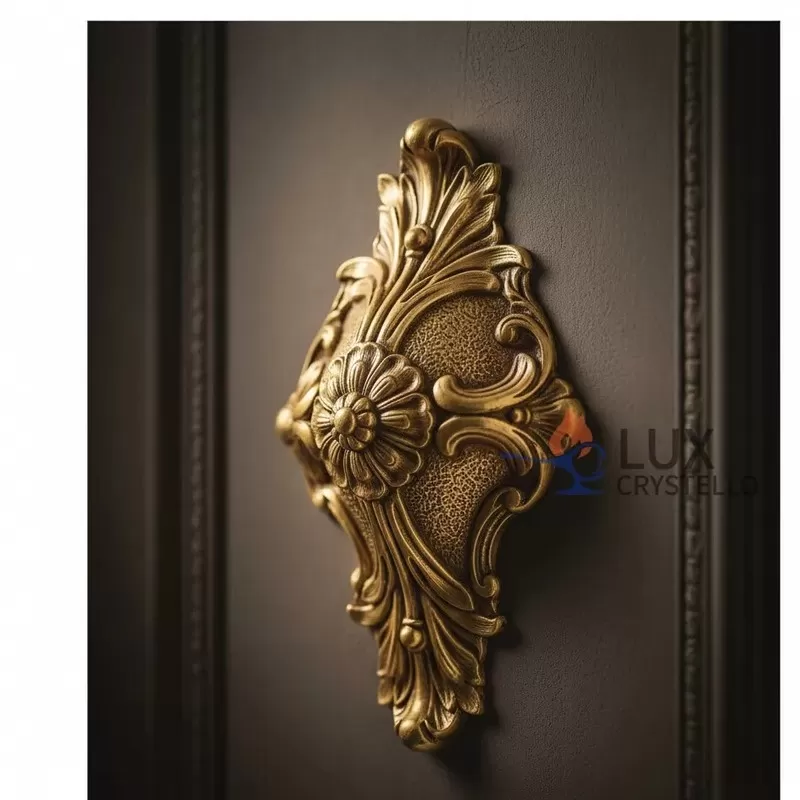
When selected with care, lighting high end delivers more than visual appeal. It supports brand positioning, enhances user experience, and reduces long-term maintenance and replacement risks. For professional buyers, long-term value often depends on partnerships with suppliers who understand both design intent and production realities.
Rather than chasing short-lived trends, many successful distributors prioritize timeless forms, reliable materials, and luxury lighting manufacturers capable of supporting growth over time.
400-123-4567
138-0000-0000