



 Telephone : 400-123-4567
Blogpost keywords: luxury ceiling light, luxury ceiling lighting fixtures, high-end ceiling lights
In premium interior projects, a luxury ceiling light is often one of the first elements noticed—and one of the most difficult to replace once installed. For professional buyers and distributors, ceiling lighting is not just about appearance; it plays a critical role in spatial balance, light distribution, and long-term reliability. Unlike decorative table or wall lamps, ceiling lights must perform consistently while remaining visually refined.
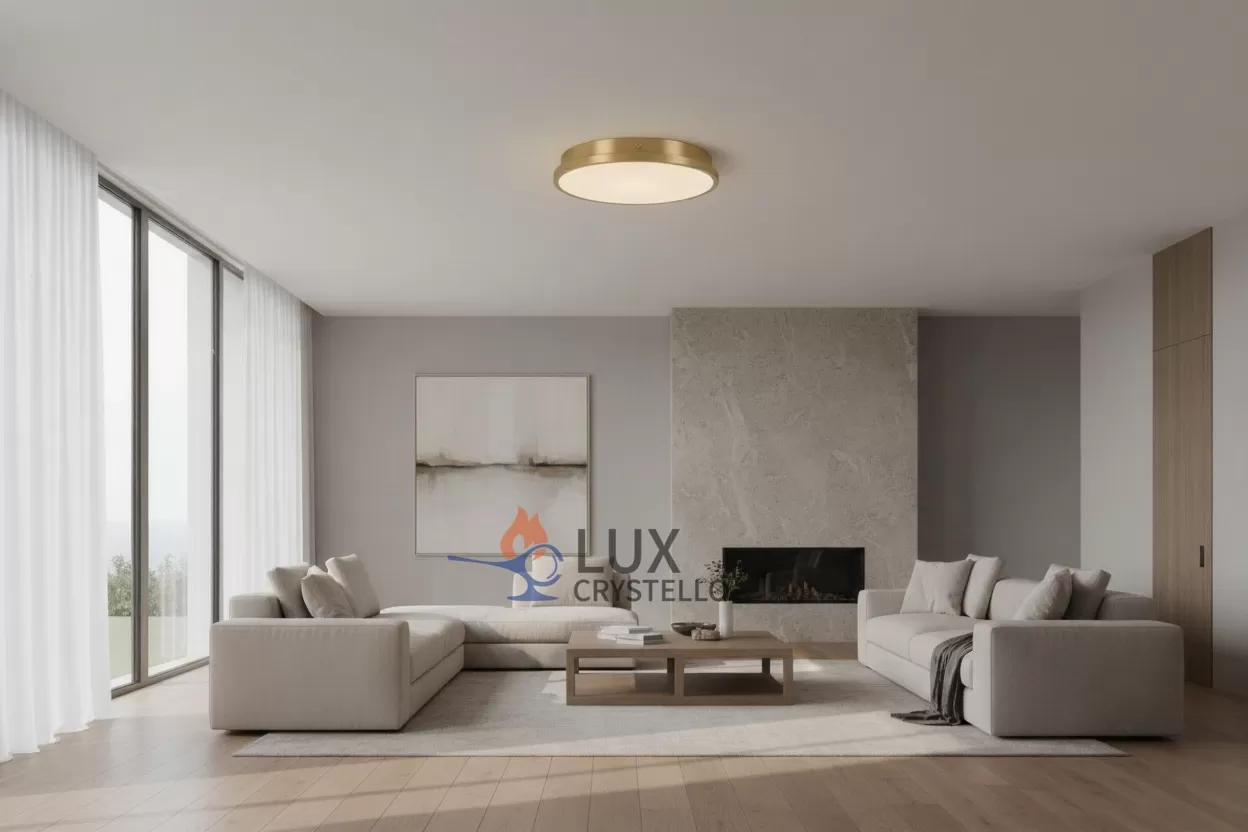
As global demand for upscale residential and hospitality interiors continues to grow, buyers are paying closer attention to how luxury ceiling light products are designed, manufactured, and delivered. Understanding what truly defines quality and value in this category helps to source teams reduce risk, control costs, and build more reliable product portfolios.
What a Luxury Ceiling Light Represents in Modern Interior Projects
A luxury ceiling light often acts as the visual anchor of a space. In living rooms, hotel lobbies, dining areas, and boutique retail environments, it sets the tone for the entire lighting scheme. From a design perspective, these fixtures emphasize proportion, material harmony, and restrained detailing rather than excessive ornamentation.
From a commercial standpoint, luxury ceiling lighting fixtures are expected to meet higher standards of structural stability, finish durability, and safety consistency. Buyers frequently assess how a design adapts to different ceiling heights, architectural styles, and lighting plans. In many professional projects, ceiling lighting must balance decorative impact with functional illumination, making thoughtful engineering as important as aesthetics.
Key Features That Distinguish Luxury Ceiling Lighting Fixtures
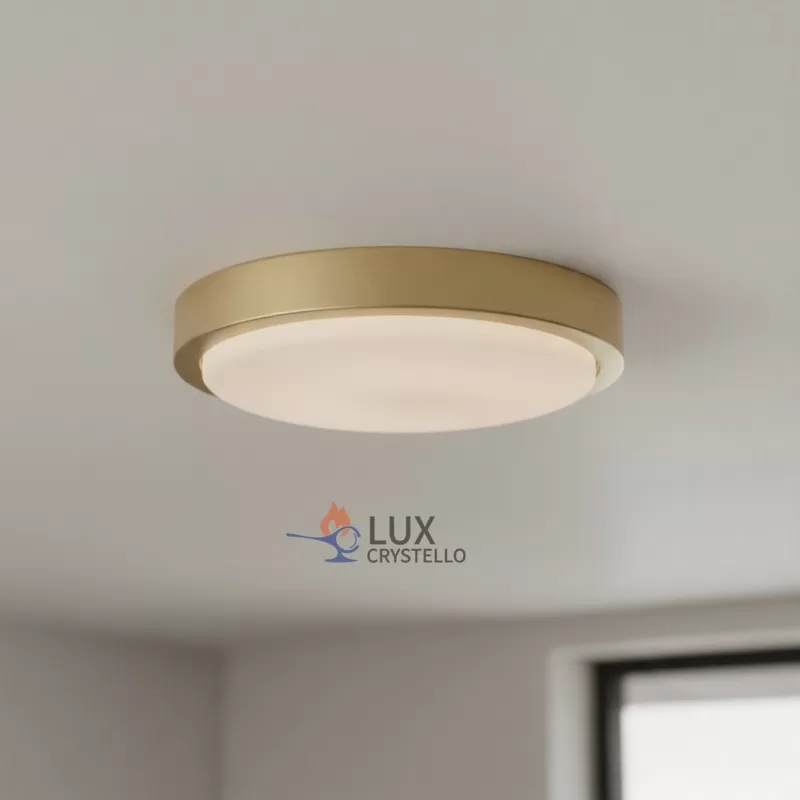
Material quality is one of the clearest indicators of luxury ceiling lighting fixtures. Solid brass, thick-gauge metals, hand-finished surfaces, premium glass, or crystal components are commonly used to achieve both visual depth and durability. These materials are selected not only for appearance, but also for heat resistance and long-term structural performance.
Craftsmanship is equally critical. Clean welds, smooth transitions between components, consistent color tones, and precise assembly all contribute to a premium impression. In high-end ceiling lights, small details—such as canopy fit, concealed wiring, and balanced proportions—can significantly affect installation quality and end-user satisfaction. For distributors and project buyers, these details often translate into fewer on-site issues and reduced after-sales support.
Applications of High-end Ceiling Lights Across Different Markets
High-end ceiling lights are widely used across multiple market segments. In upscale residential interiors, they add refinement while supporting layered lighting strategies. In hospitality environments, ceiling lights help define atmosphere in guest rooms, corridors, and public areas without overpowering the overall design language.
Retail and commercial spaces also rely on luxury ceiling light solutions to enhance visual merchandising and reinforce brand identity. Carefully selected ceiling lighting can highlight products, guide customer flow, and create a cohesive environment. For B2B buyers, the adaptability of high-end ceiling lights across different applications makes them suitable for both curated collections and contract-based sourcing.
Common Sourcing Challenges When Buying Luxury Ceiling Lights
One common challenge when sourcing a luxury ceiling light is distinguishing genuine quality from surface-level appeal. Not all visually striking designs offer the structural integrity or finish durability required for long-term use. Experienced buyers often request samples or detailed specifications to evaluate weight, material thickness, and assembly methods.
Customization and scalability present another challenge. While many suppliers promote custom ceiling lighting options, buyers should clarify limitations early—such as finish consistency across batches, size modifications, wiring standards, and packaging requirements. Understanding MOQ, lead time, and export packaging is essential, especially when luxury ceiling lighting fixtures are installed on tight project schedules across multiple locations.
FAQ About Luxury Ceiling Light (Answered for B2B Buyers)
Q1: How do professional buyers distinguish real luxury ceiling light quality from appearance only?
Experienced buyers look beyond visual styling. They evaluate material thickness, internal structure, canopy fit, wiring concealment, and overall weight. A true luxury ceiling light maintains consistent finish tone, balanced proportions, and stable assembly across samples. Buyers often request physical samples or detailed QC photos to confirm that what looks premium online also performs reliably during installation and long-term use.
Q2: What material choices matter most in luxury ceiling lighting fixtures?
Material selection directly affects durability and perceived value. Luxury ceiling lighting fixtures typically use solid brass or thick-gauge metals combined with high-quality glass or crystal. Buyers assess not only appearance, but also heat resistance, finish adhesion, and long-term color stability. Premium materials reduce deformation, discoloration, and maintenance issues in residential and hospitality environments.
Q3: How do high-end ceiling lights perform differently in project installations?
High-end ceiling lights are designed for consistency rather than one-off visual impact. In project installations, buyers value predictable mounting, balanced weight distribution, and reliable light output. Fixtures that install smoothly across multiple rooms or sites reduce labor time and installer complaints, making them more suitable for hospitality, residential developments, and commercial contracts.
Q4: What customization is practical without increasing sourcing risk?
Common low-risk customization options include finish tone, sheen level, size adjustments within standard proportions, socket standards, labeling, and packaging. Buyers should confirm that customization does not compromise finish consistency or extend lead times unexpectedly. Clear specifications and approved samples help ensure that customized luxury ceiling light products remain repeatable across reorders.
Choosing a Luxury Ceiling Light with Long-Term Perspective
Selecting a luxury ceiling light is both a design and sourcing decision. For professional buyers, long-term value comes from products that combine refined aesthetics with dependable construction and consistent supply. Clear communication with suppliers and realistic expectations around customization help ensure smoother project execution.
400-123-4567
138-0000-0000